
Our dermatopathologists trained at nationally respected programs and bring deep experience in clinicopathologic correlation, inflammatory disease, and skin cancer diagnosis. They are approachable, collaborative, and readily available for consultation.
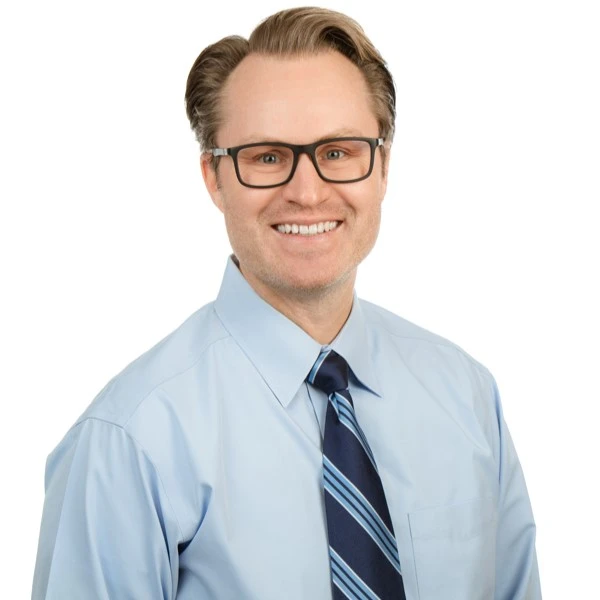
Dr. Gregory Wells completed medical school at Dartmouth Medical School, graduating with honors. He went on to complete his internal medicine internship, dermatology residency, and dermatopathology fellowship at Dartmouth-Hitchcock Medical Center in Lebanon, New Hampshire. He is board-certified in dermatology, micrographic dermatological surgery, and fellowship-trained in dermatopathology and currently serves as Lab Director for Stratum Dx.
Dr. Wells has contributed to dermatology education and literature, including authorship in the Merck Manual and chapters in Lippincott’s Primary Care Dermatology. His diagnostic interests include melanocytic lesions, adnexal tumors, and cool rashes.
He also serves as Assistant Professor of Dermatology at the Idaho College of Osteopathic Medicine.
Outside of medicine, he enjoys spending time with his family, visiting the lake in the summer, skiing in the winter, attending BYU football and basketball games, reading Brandon Sanderson novels, and playing pickleball.
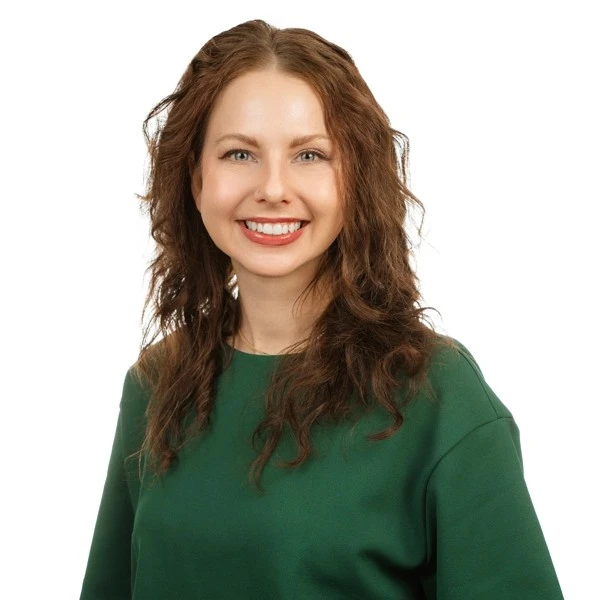
Originally from Orlando, Florida, Dr. Scott completed her undergraduate studies at the University of Central Florida before earning her MD and PhD degrees with honors at the Medical University of South Carolina. Her doctoral research focused on immunology — specifically innate immunity and the effects of sex hormones on innate immune cells in lupus. She went on to complete a combined dual residency in internal medicine and dermatology at Georgetown University, followed by a dermatopathology fellowship at Penn State.
Dr. Scott brings a rare breadth of training across three medical disciplines, which she draws on in her dual role doing both general dermatology and dermatopathology. Her particular passion in dermatopathology is inflammatory disease — she finds deep satisfaction in interpreting inflammatory lesions in the context of the full clinical picture, and genuinely loves the conversations with clinicians that let her put all the pieces together. For Dr. Scott, that moment where pathology and clinical medicine converge is where medicine really works.
She is also passionate about complex medical dermatology, where her combined background in internal medicine, dermatology, and research uniquely positions her to care for challenging patients. Outside of medicine, Dr. Scott enjoys French language, enjoying nature, and traveling.
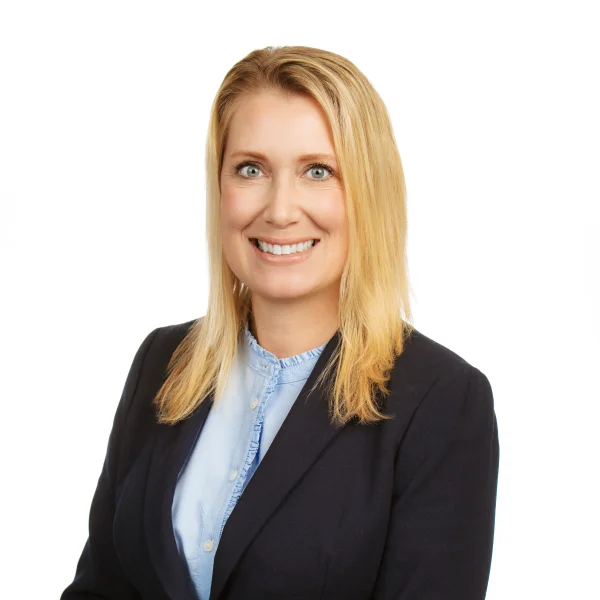
Originally from the San Francisco Bay Area, Dr. Keiser trained at UC San Diego, UCSF, Stanford, and UT MD Anderson Cancer Center, with additional training in epidemiology (MPH). She has lived and worked abroad, primarily in London.
She has a strong interest in digital pathology and machine learning, has given invited presentations at the United States and Canadian Academy of Pathology (USCAP), and is a senior author on a recent Cell Reports Methods publication. She is drawn to dermatopathology for its blend of visual analysis, biology, and problem-solving, and believes the best diagnoses come from integrating clinical insight with microscopic and photographic findings.
Dr. Keiser enjoys being part of our efficient, patient-centered team, where collaboration with skilled clinicians and world-class histotechnologists makes her work both effective and rewarding. Outside of work, she is happily embracing Boise’s friendly, mountain-town vibe, along with her Bichon Frise, flute, classical music, skiing, and chocolate.
Stratum Dx is CLIA-certified and CAP-accredited at the hospital level, reflecting adherence to the most comprehensive laboratory standards in dermatopathology. CAP accreditation extends well beyond basic regulatory requirements and involves continuous oversight of diagnostic accuracy, laboratory processes, personnel qualifications, and quality assurance systems.
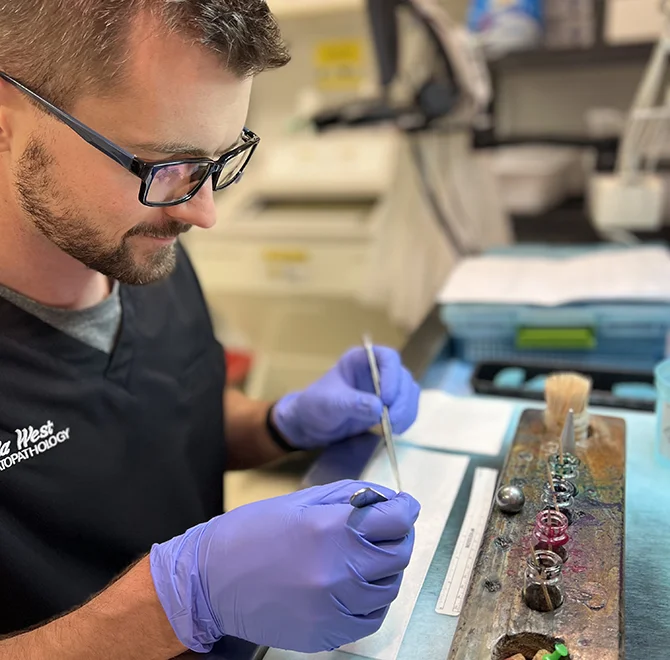
For dermatology practices without in-house pathology, oral surgeons evaluating suspicious oral lesions, and family medicine clinics managing initial skin and mucosal biopsies, pathology results directly guide diagnosis, treatment decisions, referrals, and patient counseling. Hospital-level accreditation helps ensure that:
For practices that rely on external pathology services, accreditation isn’t just a credential—it’s a safeguard. It ensures that every specimen is handled and interpreted under the same rigorous standards required of hospital-based laboratories, while maintaining the accessibility, responsiveness, and collaboration of an independent lab partner.
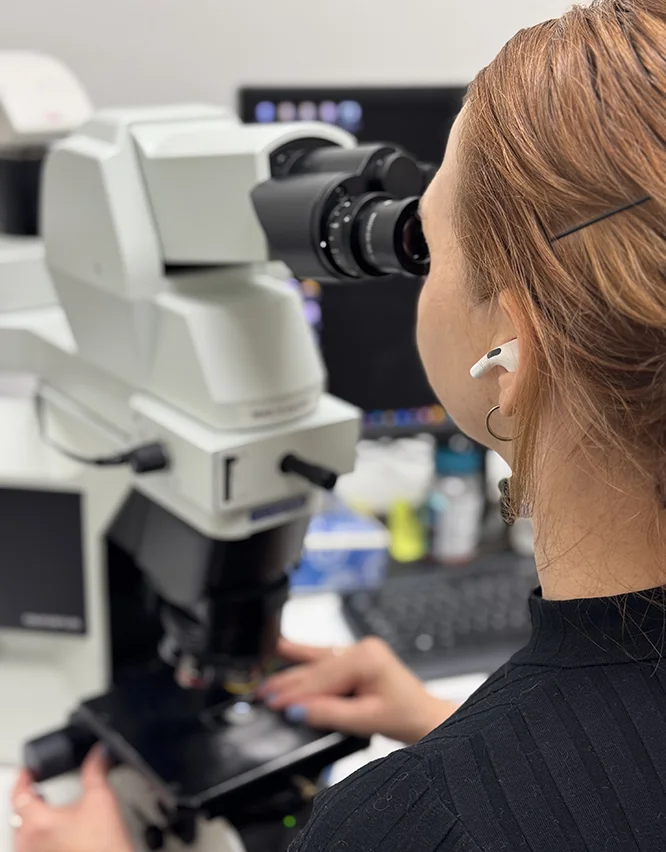
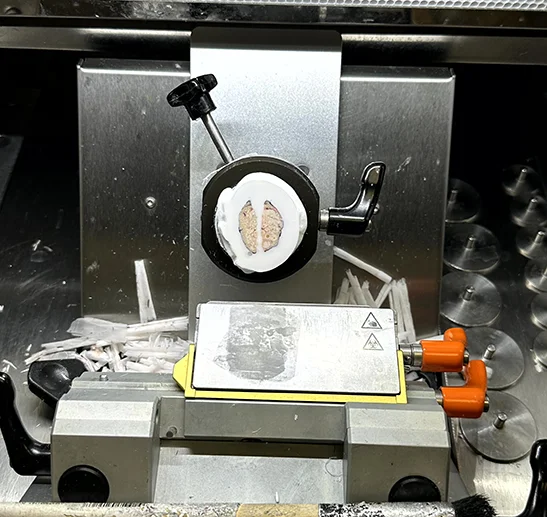
Stratum Dx was established in 2012 as Ada West Dermatopathology to provide independent, high-quality dermatopathology services rooted in clinical partnership. Today, Stratum Dx continues that legacy with expanded capabilities, advanced diagnostics, and a growing regional footprint—while remaining independent, accessible, and physician-led.